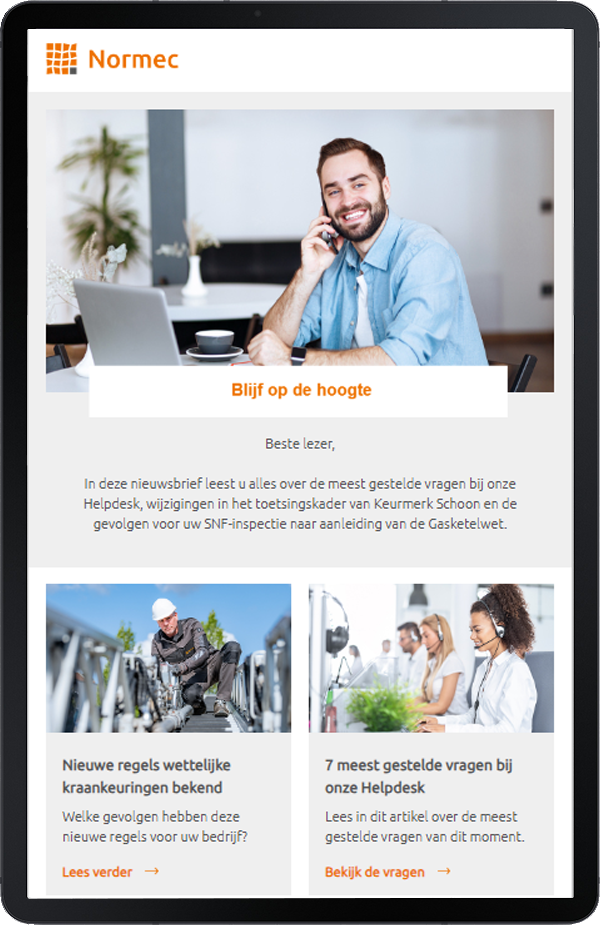
Smooth sailing: building better communication channels with suppliers and clients
In today’s fast-moving, compliance-driven world, communication is far more than a routine task; it is the bridge that keeps operations running smoothly. Whether collecting critical documents such as Material Declarations (MD), Suppliers’ Declarations of Conformity (SDoC), or IHM-related reports, the quality and consistency of communication often determine how efficiently everything gets done.
Over the years, it has become clear that even minor communication gaps can lead to significant consequences, such as delayed responses, incomplete data, or unclear points of contact. These seemingly small issues quickly compound into wasted time, compliance risks, and unnecessary back-and-forth exchanges that slow down the entire process.
Common Communication Challenges
Some of the most frequently encountered obstacles include:
- Delayed or Missing Documents: Suppliers often take longer than expected to share required certificates or declarations, typically due to unclear instructions or internal processing delays.
- Inconsistent Formats: The same document may arrive in multiple file formats or with varying naming conventions, making verification more complicated than necessary.
- Unclear Points of Contact: When team structures change and contact details are not updated, emails become lost in loops, and accountability suffers.
- Language and Time Zone Barriers: Collaborating with international partners introduces challenges around timing and precise communication, which can lead to misunderstandings.
- Platform Familiarity Issues: Some suppliers continue to struggle with document upload portals or digital dashboards, resulting in incorrect submissions or avoidable delays.
Strategies for Smoother Communication
Consistent, incremental improvements can significantly transform how efficiently an organization works with its partners. The following approaches have proven effective:
- Define Clear Requirements: Always specify the exact document required, including the PO number, item details, and document type (for example, “MD & SDoC (Supplier’s Declaration of Conformity) for supplied main engine spares”). Precision at the outset saves considerable time later.
- Standardize the Process: Adopt a uniform checklist and naming convention for all suppliers. A well-maintained document tracker, even a simple spreadsheet, can make a significant difference in monitoring document flow.
- Use Structured Templates: Standardized email templates reduce confusion, ensure all necessary information is included, and help maintain a professional tone across all correspondence.
- Strengthen Supplier Awareness: Short induction or orientation sessions help suppliers understand compliance expectations and digital submission procedures, reducing errors and rework.
- Improve Internal Coordination: A shared dashboard or tracker accessible by procurement, IHM, and compliance teams help eliminate duplication, reduce confusion, and improve accountability.
- Encourage Two-Way Feedback: Maintaining open, transparent communication with both suppliers and clients builds trust over time. Regular feedback helps all parties identify areas for improvement and create a more collaborative working environment.
The Payoff: Collaboration, Not Just Compliance
When communication is structured, clear, and consistent, the results are tangible. Response times improve, documentation processes become more streamlined, and mutual trust strengthens across the supply chain. The objective is not merely to satisfy compliance requirements, it is to foster a culture of clarity, cooperation, and accountability.
At Normec Verifavia, this principle guides our approach. In line with this vision, we have developed a dedicated platform designed for both clients and suppliers. This system ensures that document sharing, tracking, and verification take place seamlessly, meeting all compliance requirements while saving valuable time for all stakeholders involved.
Our goal is to make communication not only easier, but efficient, transparent, and purposeful. Because ultimately, every certificate counts, every document matters, and every clear exchange keeps operations on course, ensuring truly smooth sailing for everyone.