What is the purpose of VGP water testing?
The VGP requires water testing to assess the environmental impact of discharges from vessels, such as ballast water, bilgewater, and graywater. Testing ensures compliance with water quality standards.
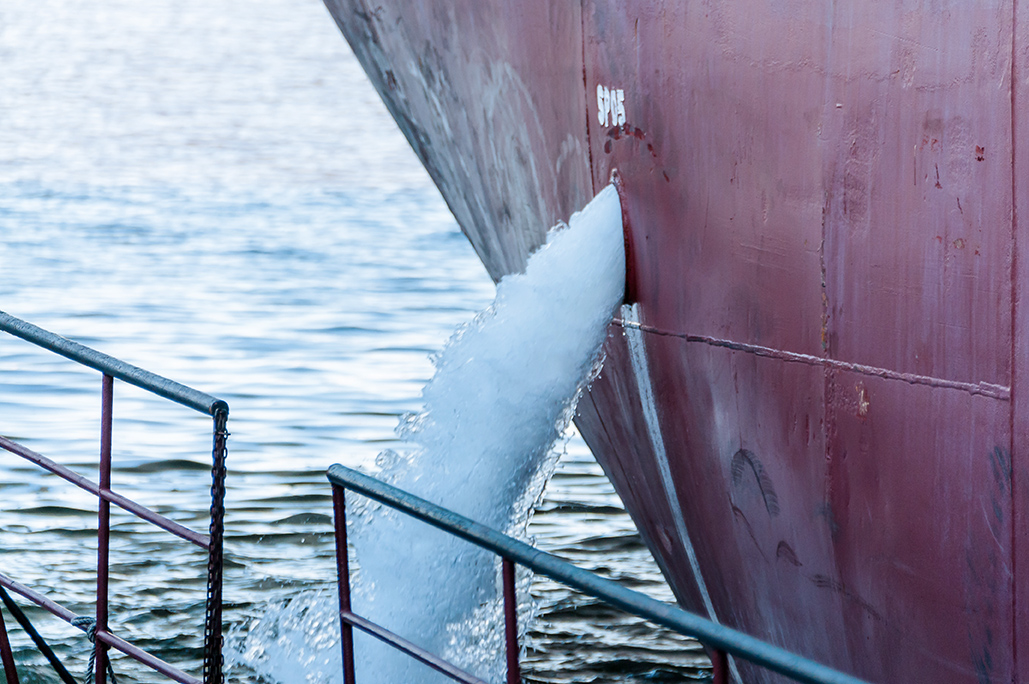
VGP Testing (Vessel General Permit Testing):
Ensures compliance with the EPA’s Vessel General Permit for vessel discharge standards, including ballast water discharge.
BWTS D2 Commissioning Test (Ballast Water Treatment System D2 Commissioning Test):
Validates BWTS installation alignment with design specifications or Type Approval.
At Normec Verifavia, we provide crucial environmental compliance and safe vessel operations testing.
| Type of Water | Testing Frequency | Details |
| Bilge Water | Annually | New build vessels built after December 19, 2013, greater than 400 gross tons that may discharge bilge water into waters subject to this permit must monitor (i.e., sample and analyze) their bilge water effluent at least once a year for oil and grease content. After two consecutive years of testing with results less than 5 ppm, sampling can be exempted if certain conditions are met. |
| Gray Water | Twice per year | Gray water refers to wastewater generated from showers, sinks, and other non-sewage sources on vessels. Samples are taken at least 14 days apart. Samples for fecal coliform or E. coli may be analyzed only once per year if vessels have difficulty analyzing within the recommended hold times. |
| Scrubber Water | Twice in the first year, then annually | Scrubber water results from exhaust gas cleaning systems (scrubbers) used to reduce air emissions from ships. Sampling is done twice in the first year, and subsequently once per year. |
| Ballast Water | Initial Testing: Twice per year | – Vessels with high-quality data must test ballast water twice a year initially. – For vessels without high-quality data, testing is required four times a year. |
| Subsequent Testing (High Quality Data): Once per year | Once the vessel demonstrates high-quality data, the testing interval can be reduced to once a year. | |
| Subsequent Testing (Without High Quality Data): Four times per year | Vessels without high-quality data continue testing four times a year. | |
| Potable Water | Regular testing must be weekly done by vessel Master. And the source of water testing depends on various factors such as the type of vessel, the duration of the voyage, and local regulations. | The World Health Organization (WHO) provides comprehensive guidelines covering drinking and potable water quality on ships and other marine vessels. WHO recommends several tests for drinking water quality, which includes Bacteria, PH, Hardness, Chlorine, Metals & Legionella. And Maritime Labour Convention (MLC) 2006 started to enforce regulations around potable water quality on ships in 2013 to ensure water quality and protect seafarers and passengers’ health and safety. |
The VGP requires water testing to assess the environmental impact of discharges from vessels, such as ballast water, bilgewater, and graywater. Testing ensures compliance with water quality standards.
VGP requirements apply to most commercial vessels operating in U.S. waters.
Non-compliance may result in penalties, fines, or restrictions on vessel operations. Corrective actions are necessary to meet VGP requirements.
Accredited laboratories or authorized personnel perform VGP testing. Their expertise ensures accurate results and adherence to regulatory standards.
All ships must meet D2 standards by 8th September 2024.