Smart Freight Centre Conformity Assessment Scheme and MBM Specification Audit
View this service
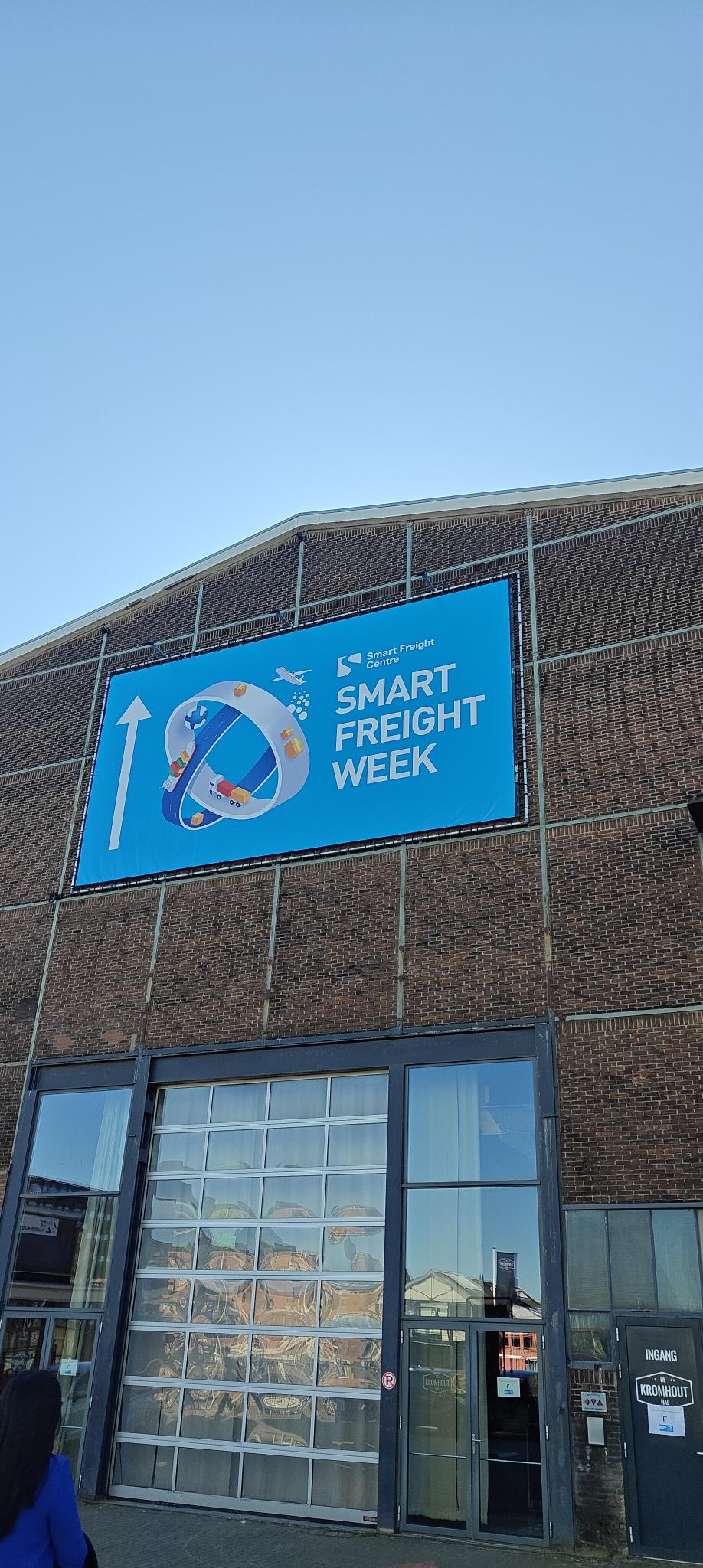
Last week, Smart Freight Centre (SFC) Week gathered industry leaders and innovators to accelerate the transition toward zero-emission logistics and sustainable supply chains. The event showcased transformative initiatives, addressing key challenges in maritime decarbonization, next-generation aviation fuels, and electric trucking corridors. Through collaborative discussions, participants explored strategies to drive impactful change across the global freight sector.
Normec Verifavia was honored to contribute its assurance expertise, particularly in the Road Book & Claim Community through a dedicated Road Freight Expert Deep-Dive session. Our team shared insights on verification and robust reporting practices—crucial elements in ensuring credibility in freight decarbonization efforts.
Sustainability Initiatives Business Unit Director Patricia Pinilla speaking at SFC week about Normec Verifavia’s role in P&G’s insetting program.

A major highlight of SFC Week was the focus on maritime sustainability. Experts from the Mærsk Mc-Kinney Møller Center for Zero Carbon Shipping and the Global Maritime Forum led discussions on the sector’s evolving regulatory landscape. A key presentation by the UCL Energy Institute examined the status of IMO MEPC 82 negotiations, shedding light on the challenges of reaching a global consensus on sustainable shipping regulations.
A central theme of the discussions was the timeline for upcoming regulatory shifts, particularly changes to the Carbon Intensity Indicator (CII) and the introduction of mid-term global fuel standards. Industry leaders emphasized the critical need for collaboration between governments, regulatory bodies, and private stakeholders to navigate these changes effectively. As the maritime industry works to align with international decarbonization goals, establishing clear guidelines and fostering innovation in alternative fuels remain essential.
Sustainable aviation was another key focus, with experts from Airbus, Pfizer, and ATAG SpA leading discussions on the future of cleaner air transport. The aviation sector is under increasing pressure to reduce its environmental footprint, particularly in addressing Scope 3 emissions.
The discussions centered on innovations in fuel-efficient aircraft, strategies for procuring and scaling Sustainable Aviation Fuels (SAF), and operational efficiencies that can drive emission reductions. As air freight plays a crucial role in global supply chains, scaling sustainable aviation solutions is paramount in achieving industry-wide decarbonization.
Ground transport took center stage with a deep dive into expanding electric truck corridors and accelerating zero-emission trucking worldwide. The Fleet Electrification Coalition (FEC), convened by SFC, led discussions on infrastructure challenges, fleet deployment, and strategies for scaling zero-emission transport. Industry leaders, including Milence, Scania Group, Amazon, and DHL Supply Chain, emphasized the importance of strategic partnerships between logistics operators, energy providers, and policymakers to facilitate a seamless transition.
Discussions also focused on accelerating adoption in key markets such as China, India, and East Africa. Sessions explored the development of zero-emission freight corridors in China, data-driven initiatives to support deployment in India, and logistics solutions in East Africa’s Northern and Central corridors. Localized efforts, led by SFC China and SFC India, are expected to drive these programs forward, ensuring zero-emission freight solutions reach diverse and rapidly growing regions.
Beyond greenhouse gas (GHG) emissions, SFC Week also explored the integration of air quality considerations into emissions frameworks. SFC’s CEO Christoph Wolff and Founder Sophie Punte, alongside experts from the Stockholm Environment Institute (SEI) and Clean Air Fund (CAF), highlighted the importance of incorporating pollutants such as Black Carbon, PM10, and PM2.5 into the Global Logistics Emissions Council (GLEC) Framework.
By adopting a more holistic approach that includes both GHG emissions and air quality impacts, the freight sector can enhance its environmental responsibility and contribute to broader sustainability objectives.
A significant milestone during the week was the launch of the SFC Fashion Community, a groundbreaking initiative designed to support the fashion industry in decarbonizing its logistics operations. This new platform provides fashion brands with a space to collaborate on sustainable logistics solutions, exchange best practices, and drive meaningful emission reductions across global supply chains.
With logistics being a significant contributor to the fashion sector’s carbon footprint, this initiative sets a precedent for industry-specific sustainability communities, helping brands transition toward greener supply chains.
SFC Week underscored the power of collaboration, innovation, and shared ambition in advancing zero-emission logistics across maritime, aviation, and road transport. As an assurance provider, Normec Verifavia contributed to discussions on verification and transparent reporting, particularly during the Road Book & Claim Community’s Road Freight Expert Deep-Dive session. Here, we emphasized the importance of rigorous verification in decarbonization claims.
Building trust through standardized verification is essential to fostering accountability in the freight sector. By implementing reliable emissions reporting processes, companies can confidently demonstrate their sustainability efforts, driving the industry toward a truly zero-emission future.